• Skip to content
  • Skip to primary sidebar
  • Skip to footer

Announcement Bar

Celebrating 20 Years of MINT!

202.470.5238For Members
  • Memberships
    • Free Trial
    • Membership Options
    • Membership Benefits
    • Policies
    • Account changes
  • Classes
    • Class Formats
    • Small Group Training
    • Instructors
  • Recovery
    • Massage Therapy
  • Personal Training
    • Join Our Personal Training Team
    • Reformer Pilates
    • Trainers
    • About Training
    • FIT3D
  • Schedule
  • Our Location
  • About
    • Why MINT
    • What to Expect
    • Blog
    • Community Discounts
    • Careers
    • Free Trial
    • Gift Cards
    • MINT’s Standard of Cleanliness and Safety
  • JOIN NOW
Home > Blog > Health & Wellness

Three Ways to Keep your Back from “Going Out”

Like Share Widget

February 6, 2026 by mint-sk

Four out of five people will experience a debilitating back pain episode at one point during their lives. For many this will be from a pulled back muscle.

Typically, we put more effort into caring for our backs during those times than when we’re feeling good. But it’s critical that we take good care of our backs all the time, not just when we’re in pain.

The real secret to keeping your back healthy is in your daily habits.

Pulled a Back muscle? Here are three ways to take care of your back on a daily basis. So that you can keep it from “going out”:

1. Avoid sitting for prolonged periods.

When we sit for too long, the burden of our weight is placed abnormally on our spine and can cause damage over time. Before long, those small loads add up to real pain.

It makes sense when you consider that our bodies were designed to stand, sit, crawl, run, kneel, bend and move through the world in many different ways. It was never designed to sit in one position for prolonged periods, day after day. Sit too long, too often, and it can lead to bulging discs and weak, brittle muscles that are prone to tearing and other damage.

The solution?

Limit your sitting to half-hour periods. Have a few minutes of standing in between, and you’ll reduce the uni-directional forces on your spine. In other words, if you sit for a long time at work or at home, stand up and walk around a little bit every thirty minutes. I give this advice to every single client I have who comes to see me with back problems, and it’s the easiest way for the average person to prevent a debilitating back problem.

2. The curves in your spine matter

We have natural curves in our spine that help us handle stress and loads. Whether sitting or standing, it’s important to maintain these curves. When standing, our spinal curves occur more naturally and are usually easier to maintain. When we sit, the protective curves in our spine are harder to maintain and often disappear, most of the time without you even realizing it.

And while a healthy core and strong back muscles are important to back health, they won’t protect your back if you sit for long periods.

Fortunately, the solution is as simple as using a “lumbar roll” every time you sit.

We sell specialized lumbar rolls in our office because they are the exact shape you need and it’s more convenient than trying to make your own (reply back to this email if you want to buy one!)

But making your own is not that difficult…

Just roll up a towel, or even a sweatshirt, and place it between the small of your back and the chair. It should be thick enough to support you and help you to maintain the natural curve in your lower back without much effort. My clients are amazed at how effective this one simple tip is for helping to control and prevent back pain.

3. Extend instead of bend.

Did you know that the average person bends or flexes forward between three and five thousand times per day?!

That’s a lot of bending over time and eventually something will give… and it tends to be your back!

Our spines crave balance, but unfortunately, our modern-day lives are designed to have us bending forward more than we should. Sitting in front of a computer, putting shoes and socks on, driving, house/yard work, and even brushing your teeth are all daily activities that involve bending.

To combat this, we need to make a concerted effort to extend instead of bend.

A really simple exercise you can do every day is to stand and extend your spine. Place your hands on your lower back for support and then arch back as far as you can go. Repeat this 10 times, at least once per day. If you’ve never arched your back like this before, it may feel stiff or even hurt a little at first. But with a gradual increase in frequency, it will feel less stiff and more natural over the course of a few days. If it doesn’t, or becomes troublesome for you, then it’s important to speak with a specialist.

Getting rid of a back problem really isn’t as complicated as you think – and it could be as easy as starting with simple tips like these.

These tips are considered basic “back hygiene” that everyone should consider incorporating into their daily routine. But if you’ve had several back pain episodes year after year, or every few months, these tips may only take you so far and it’s important to enlist the help of an expert.


CLICK HERE to request a Back Pain Strategy Session from a back pain specialist at my clinic, or email at trupti@mmsspt.com, or CALL (202) 670 8874 for a FREE telephone consultation so we can ask you some questions and help you better.

Trupti Mehta PT, MS, OCSManual Medicine, Spine & Sports Physical Therapy, Washington DC

https://www.mintdc.com/wp-content/uploads/2017/12/truptibiopic-e1516056988229.jpg

Filed Under: Blog, Community Partners, Health & Wellness

Unlock Your Fitness Potential with MINT’s Fit3D Body Scanner

Like Share Widget

September 26, 2025 by mint-sk

If you’re serious about getting to know your body, tracking your progress, and setting yourself up for long-term success, it’s time to meet one of MINT’s most powerful tools: the Fit3D Body Scanner.

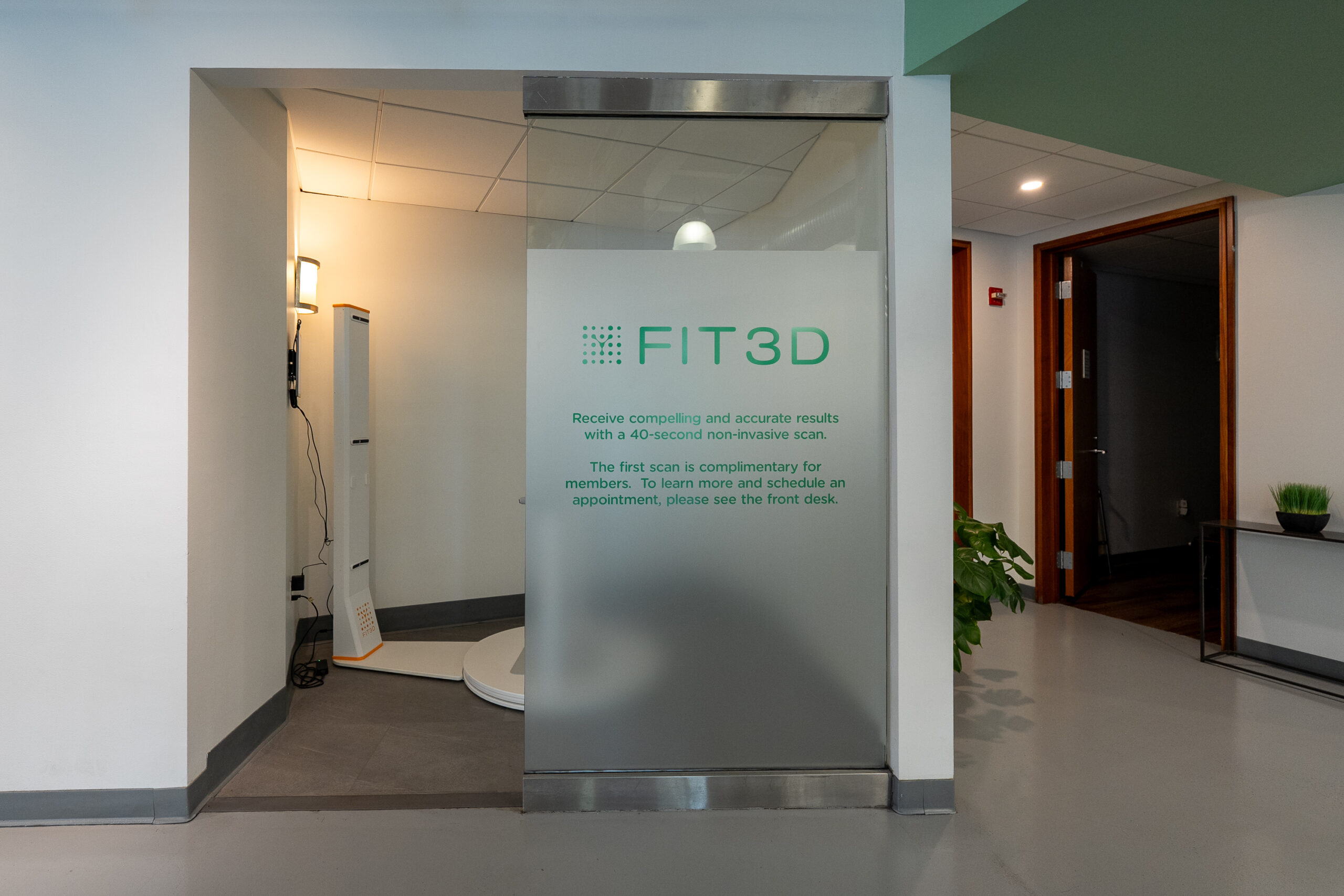
This cutting-edge technology goes way beyond the scale. In just 40 seconds, Fit3D creates a full 3D image of your body and provides hundreds of measurements, including posture analysis, body composition, balance, and more. Think of it as your personal fitness dashboard — giving you the data you need to understand where you are today and how to get where you want to go.

Fit3D Body Scanner station at MINT DC gym, offering fast and accurate 40-second scans for members

Why Fit3D is a Game-Changer

  • See more than a number: Forget relying on the scale alone. Fit3D gives you the full picture with accurate, detailed insights.
  • Track real progress: Watch your posture, muscle symmetry, and body composition evolve over time. It’s the most motivating way to see the results of your hard work.
  • Set smarter goals: Whether you want to get stronger, leaner, or simply feel better, the data from Fit3D helps you (and your trainer) create a personalized plan to get there.
  • Next-level workouts: With clearer insight into your body, you and your trainer can fine-tune your training to maximize results and minimize risk of injury.

Who Has Access?

Here’s the best part:

  • All active personal training clients at MINT have access to Fit3D at no added cost. Just ask your trainer to schedule a scan.
  • MINT Condition members also enjoy unlimited access to Fit3D scans as part of their membership benefits.

Not sure if your membership includes Fit3D? Good news — your first session is free. And if you have questions, you can always reach out to Skip at Skip@mintdc.com.

Take the Guesswork Out of Your Fitness Journey

Fitness isn’t one-size-fits-all — and neither are results. With the Fit3D Body Scanner, you’ll finally have the insights you need to understand your body, track your progress, and crush your goals.

Ready to level up your workouts and get data that actually makes a difference? Ask your trainer about Fit3D today, or email Skip to get started.

Filed Under: Health & Wellness

Discover the Benefits of Pilates in Washington, DC: Mat & Reformer at MINT

Like Share Widget

August 22, 2025 by mint-sk

If you’ve ever thought Pilates was just about stretching on a mat, think again. At MINT, Pilates is a powerful, versatile practice that builds strength, balance, and body awareness—all while being kind to your joints. Whether you’re stepping into a mat class or booking 1-on-1 reformer Pilates training, you’ll discover a workout that meets you exactly where you are and challenges you to go further.

Woman practicing mat Pilates with a Pilates ring at MINT gym in Washington DC, building core strength and balance in a bright fitness studio.

Why Pilates? The Benefits Go Beyond the Core

Pilates is famous for sculpting lean, strong core muscles—but that’s just the beginning. When practiced regularly, Pilates offers:

  • Full-body strength & stability: Movements are designed to target small, often-overlooked muscles that support posture and balance.
  • Improved flexibility & mobility: Gentle yet precise stretches increase your range of motion without the strain of traditional flexibility training.
  • Injury prevention & recovery: Pilates focuses on alignment and muscle balance, making it a favorite for athletes, runners, and anyone bouncing back from injuries.
  • Mind-body connection: Every movement is intentional, helping you stay present while reducing stress and tension.

At MINT, we believe Pilates isn’t just an exercise—it’s a reset for your body and mind.

Mat Pilates at MINT: Strength in Simplicity

Don’t let the word “mat” fool you. These classes are anything but basic. Using your own bodyweight (and sometimes props like rings or bands), mat Pilates delivers a surprisingly challenging workout. You’ll move through flowing sequences that build endurance, strengthen stabilizing muscles, and leave you feeling taller, lighter, and more energized.

Mat Pilates is perfect for all levels—whether you’re a beginner looking for a strong foundation or an experienced mover craving deeper core strength.

Reformer Pilates: Your 1-on-1 Training Upgrade

Want to take Pilates to the next level? That’s where the reformer comes in. A reformer is a specialized Pilates machine with springs and pulleys that add resistance and support, creating endless options for building strength and mobility.

At MINT, our 1-on-1 reformer Pilates personal training sessions give you a completely customized experience. Your trainer will design a program to match your goals—whether it’s improving posture, recovering from injury, boosting athletic performance, or simply creating a lean, powerful physique.

Reformer Pilates offers benefits you can’t get from the mat alone:

  • Adjustable resistance for progressive training
  • Deeper core engagement and muscle isolation
  • Support for safe movement, even if you’re rehabbing
  • A fun, dynamic workout that feels fresh every time

Why Choose MINT for Pilates in Washington, DC?

Our studios are bright, welcoming spaces where you can focus on your practice without distraction. MINT’s Pilates instructors are not only highly trained but also passionate about helping every member unlock the benefits of this method. Whether you’re in a small group mat class or a private reformer session, you’ll receive expert guidance and encouragement in every movement.

At MINT, Pilates isn’t just another fitness trend—it’s part of our holistic approach to strength, wellness, and community.

Ready to Experience Pilates at MINT?

Looking for Pilates classes in Washington, DC or curious about Pilates personal training on the reformer? We’ve got you covered. Join us for a mat Pilates class to connect with your core in a supportive group environment, or book a 1-on-1 reformer Pilates session for personalized training.

Your strongest, most balanced self is waiting—one mindful movement at a time.

Filed Under: Health & Wellness

Why Strengthening your Core Won’t Cure your Back Pain

Like Share Widget

August 19, 2025 by mint-sk

As a back pain expert, I talk to folks numerous times per day about the best things they can do to get rid of their back pain. The most common topic that comes up? Core Strengthening. Everyone wants to learn how to strengthen their core properly and more effectively – in hopes that it will put an end to their back pain.

Unfortunately, getting rid of back pain is not as simple as strengthening your core.

I wish it was. Don’t get me wrong – strengthening your core does have its role in both helping and preventing back pain – but core strengthening alone is rarely enough. In fact, sometimes, it can even make your back pain worse, especially if introduced too soon

So why isn’t core strengthening enough? Even when your Medical Doctor, Google, and YouTube all seem to allude that it should be?

Because 80% of the time, your back pain is due to something we call “mechanical” – meaning the source is way underneath all of those core muscles. While strengthening your core muscles will often make you feel better, and may even temporarily relieve your back pain, strengthening your core muscles will never address the mechanical problem underneath. And it will continue to rear its ugly head until it’s finally resolved.

So how do you solve mechanical low back pain so that core strengthening can actually do its job?
First… Let’s talk about what mechanical low back pain is… and isn’t.

Mechanical low back pain is caused by poor postural habits and repetitive movements and stress that occur slowly over time – and eventually lead to movement dysfunction within the spine. It arises from things like having a job where you sit for 8 hours a day, 5 days per week. Perhaps you’re a new mom and are constantly bending over to care for your new baby. You love to garden, or you’re an avid golfer, and have been doing these things for years. All of these “lifestyle” habits and requirements can be responsible for mechanical low back pain.

But what back pain is often blamed on are structures. Things like herniated or bulging discs, arthritis, stenosis, and pinched nerves. What you have to understand is that most of these ailments occur normally as you age. The majority of the population over the age of 50 will have one or more of these “abnormalities” show up on an MRI – even when they don’t have any back pain. But when you’ve got a mechanical back pain problem – one where your spine isn’t moving as well or as normally as it should – these structures become susceptible for irritation. So yes, the structures cause the pain, but the underlying mechanical problem is what’s responsible for irritating the structures.

If you’re confused – I don’t blame you. All you need to understand is that strengthening muscles of any kind – including your core muscles – will not resolve a mechanical back pain problem. You have to address the mechanical “fault” with very specialized and corrective movements that are prescribed to you. They aren’t cookie-cutter and you can’t find them on YouTube.

So when should you focus on strengthening your core?

After the mechanical back problem is identified and resolved. You’ll need to work with a mechanical back pain specialist to do this. But once you do – core strengthening plays a critical role in keeping you strong, healthy, and balanced. A good core strengthening regimen helps you prevent the mechanical back problem from coming back.

Moral of this story – if you’ve been at core strengthening for a while now and disappointed that it hasn’t yet “cured” your back pain – then you must consider that you’re in the 80% and have a mechanical back pain problem. Fix what’s underneath first – and then strengthen away.


CLICK HERE to request a Back Pain Strategy Session from a back pain specialist at my clinic, or email at trupti@mmsspt.com, or CALL (202) 670 8874 for a FREE telephone consultation so we can ask you some questions and help you better.

Trupti Mehta PT, MS, OCSManual Medicine, Spine & Sports Physical Therapy, Washington DC

https://www.mintdc.com/wp-content/uploads/2017/12/truptibiopic-e1516056988229.jpg

Filed Under: Blog, Community Partners, Health & Wellness

Why Your Nagging Shoulder Blade Pain isn’t Going Away

Like Share Widget

June 10, 2025 by mint-sk

The prevalence of shoulder pain tends to increase and become more severe as we age – especially for folks in their 50’s and beyond.

When people complain of shoulder pain – it can manifest in a lot of different ways. Sometimes pain appears in the front, sometimes on the very top of your shoulder, sometimes deep inside your joint… But probably the most annoying and uncomfortable type of shoulder pain I hear about is the one that occurs deep inside your shoulder blade.

It’s tough to get to, tough to pinpoint, and even harder to make go away.

It kind of feels like middle back pain – but also feels like shoulder pain – so which is it? And more importantly… Why isn’t it going away?

There are many reasons why we get shoulder pain and there’s a good explanation why it can move around and appear in so many places. It’s the most mobile joint in your body, which lends itself to lots of ways to get injured. And to add even more confusion – 47% of all shoulder pain originates from a source in your spine (neck) – even when you don’t have any neck pain.

Therefore, misdiagnosis of shoulder pain is very common and it’s probably the most common reason I see for that nagging shoulder blade pain not going away – no matter how many times you massage it, stretch it, or “thera-gun” it.

If you’ve had nagging shoulder blade pain for a while now and it’s not going away – there’s a really good chance it’s not actually a shoulder problem and you’ve been misdiagnosed.

Let’s look at a few key signs and considerations to help you figure out if that nagging pain in the middle of your shoulder blade has been misdiagnosed:

1. Location of your pain?

When your pain is coming from a source within your shoulder, the pain will be localized to your shoulder joint. “True” shoulder pain is typically felt directly in front of your shoulder, on top of your shoulder, or in a more involved shoulder problem (like a rotator cuff injury) you might feel some achiness down the side of your arm. But the pain will never radiate below your elbow. If the nagging pain in your shoulder blade ever causes pain past your elbow and into your forearm or hand, or radiates above your shoulder into your neck (the upper trap area) – odds are pretty good that you’re dealing with a spine problem and not a shoulder problem.

2. Do you experience numbness, tingling or burning?

If the nagging pain in your shoulder blade is ever associated with numbness, tingling, or burning – these are signs of nerve irritation, or perhaps nerve compression. If that’s happening – the problem is almost certainly coming from your neck. It’s very common for things like bulging discs to compress nerves, or limit movement, which can irritate nerves in your neck. The nerves in your neck will commonly refer symptoms into your upper shoulder/upper trap area, down your arm, and… you guessed it… right into the middle of your shoulder blade. And remember – you could be experiencing the referred symptoms without much (or any) pain in your neck. If you’ve got symptoms of numbness, burning, or tingling in your arm or shoulder along with nagging shoulder blade pain – and you haven’t yet gotten your neck examined by a mechanical pain specialist – there is a good chance you’ve been misdiagnosed.

3. Does posture affect your pain?

Do you notice that your shoulder blade pain changes depending on your posture? This is another telltale sign that your shoulder blade pain is likely coming from your neck. Our heads are inclined to remain upright on top of our shoulders to look ahead at what’s in front of us. So when you slouch your middle back – your neck will always compensate so your head can look forward. Ever hear of the term “forward head posture”? That’s what we call the compensation your neck makes for curved, slouchy posture in your middle back. And in forward head posture, you will stretch out and eventually irritate the nerves in your lower neck. The nerves in your lower neck – particularly the areas of your C6 and C7 vertebrae – refer right into the middle of your shoulder blade. So if you notice the pain easing when you sit upright or lie down, and increasing with long car rides or sitting at a computer (when your back tends to be slouched) – there’s a very good chance the pain in your shoulder blade is coming from your neck.

The good news is that even if you’ve been misdiagnosed for some time, nagging pain in your shoulder blade is typically a mechanical problem and can be fixed naturally with a corrective movement prescription, postural training and education, and strengthening the areas around your neck and middle back. You don’t need to resort to injections or pain killers. Do me a favor though – don’t try and fix this problem yourself or by looking up exercises on YouTube. We call it a movement prescription for a reason – and it should be prescribed to you by a physical therapy specialist who has a deep understanding of the intricacies of mechanical pain and how it all works. If you want help finding someone like this in your area – get in touch – I’m happy to help.

Local to the DMV area? Looking for movement experts or a mechanical pain specialist to help you with lingering shoulder pain and unsure where it’s coming from and how to make it go away? Schedule a free discovery visit with us today


CLICK HERE to request a Back Pain Strategy Session from a back pain specialist at my clinic, or email at trupti@mmsspt.com, or CALL (202) 670 8874 for a FREE telephone consultation so we can ask you some questions and help you better.

Trupti Mehta PT, MS, OCSManual Medicine, Spine & Sports Physical Therapy, Washington DC

https://www.mintdc.com/wp-content/uploads/2017/12/truptibiopic-e1516056988229.jpg

Filed Under: Blog, Community Partners, Health & Wellness

Why Your Knee Pain Isn’t Going Away – And What You Might Be Missing

Like Share Widget

May 25, 2025 by mint-sk

Knee pain can be stubborn. If you’ve tried stretching, strengthening, injections, or even surgery with little to no relief – it might be time to consider looking beyond your knee. Many people are told their pain is due to “wear and tear,” arthritis, or simply aging. But here’s the thing… There are plenty of people out there with these very same conditions who have no knee pain at all.

So, what gives?

It turns out that knee pain isn’t always a knee problem.
If you’re still dealing with persistent discomfort despite following every piece of conventional advice, one of these four lesser-known culprits might be the real reason behind your lingering knee pain.

1. It’s Not Your Knee—It’s Your Back

Did you know that nearly 40% of extremity pain actually originates from the spine – even if you don’t have back pain? The nerves that control your knee function start in your lower back. If they’re irritated, compressed, or not functioning properly, your knee could suffer the consequences.

A key sign that your knee pain is actually coming from your back is if your pain moves around, travels up or down your leg, or worsens when you sit for long periods. If your knee treatments aren’t working, it’s worth investigating whether your back is the real issue by talking to a mechanical back pain specialist.

2. Your Core is Weaker Than You Think

When people hear “core strength,” they usually think about back pain or six-pack abs – but your core plays a massive role in knee health, too. Your core, hips, and glutes work together to stabilize your lower body. If these muscles are weak, your knees pick up the slack, leading to unnecessary strain and chronic discomfort.

Signs of a weak core affecting your knees include feeling unstable on one leg, difficulty maintaining good posture, or knee pain that worsens after prolonged activity. The solution? Strengthening your core and hips can take the pressure off your knees and keep them moving the way they should.

3. Your Ankles Might Be the Problem

Your ankles act as the foundation for your entire lower body. If they lack mobility or stability – your knees will compensate – leading to stiffness, pain, and dysfunction. Poor ankle mobility can make everyday movements like walking, running, and squatting much harder on your knees.

If you struggle with ankle flexibility or feel unsteady during activities like hiking, running, or sports – your knee pain may actually stem from weak or restricted ankles. Addressing ankle stability and mobility could be the missing link to finally getting relief.

4. Your Knee Isn’t Moving the Way It Should

One of the most overlooked aspects of knee pain is mobility. There might actually be nothing at all wrong with your knee – but if it doesn’t move as well as it should – structures within and around your knee joint will slowly start to get irritated. Most rehab programs focus on bending the knee – but proper knee function also requires slight hyperextension – and this is where I see a lot of problems for people. If your knee stops at “just straight,” it may still be restricted, causing long-term dysfunction and discomfort.

Pro-tip: This is especially common after surgery, where full mobility isn’t always restored. If one knee doesn’t move like the other, it’s time to work with a mechanical knee pain specialist who can prescribe corrective movements to help you regain that lost range of motion.

What to Do Next

If you’ve been dealing with knee pain that just won’t go away – there’s a good chance you either have the wrong diagnosis – or the wrong treatment plan. You may need to stop focusing on the knee and start to look elsewhere in your body. The real problem might be coming from your back, core, ankles, or mobility restrictions somewhere leading to secondary stress on your knee joint.

A mechanical pain specialist who understands the bigger picture can help pinpoint the true cause of your pain and create a plan that actually works to finally get your knee pain resolved.


CLICK HERE to request a Back Pain Strategy Session from a back pain specialist at my clinic, or email at trupti@mmsspt.com, or CALL (202) 670 8874 for a FREE telephone consultation so we can ask you some questions and help you better.

Trupti Mehta PT, MS, OCSManual Medicine, Spine & Sports Physical Therapy, Washington DC

https://www.mintdc.com/wp-content/uploads/2017/12/truptibiopic-e1516056988229.jpg

Filed Under: Blog, Community Partners, Health & Wellness

  • Page 1
  • Page 2
  • Page 3
  • …
  • Page 10
  • Next Page »

sidebar

Blog Sidebar

Quick Links

My Account Social Gift Cards Free Trial

Prefooter Nav

  • MINT Memberships
  • Classes
  • Personal Training
  • FIT3D
  • Hours
  • Schedule
  • Member Login
  • 100% Wind Powered

Footer

MINT

1724 California St. NW | Washington, DC 20009
202.470.5238