MINT offers three types of pilates classes: mat pilates (for all levels), private reformer sessions with Advanced Master Trainer Meg DiRuggiero (1-on-1 personalized training), and TRX pilates. All MINT memberships include unlimited mat and TRX pilates classes; reformer sessions are available through personal training packages.
Pilates remains one of the hottest fitness trends of 2026, with no signs of slowing down. From intense reformer-based sessions to traditional mat-based practice, this exercise has become wildly popular. The reason? Pilates is an efficient, effective workout with numerous benefits for body and mind. If you’ve been inspired by fitness influencers sweating it out on the reformer, here’s how to start your pilates journey at MINT.
What is Pilates?
Pilates is a low-impact, mind-body exercise system developed in the early 20th century by Joseph Pilates, a German physical trainer. It emphasizes:
- Controlled breathing and movement
- Core strength and stability
- Flexibility and muscle control
- Proper body alignment
Two main types exist:
- Mat pilates: Bodyweight exercises performed on a mat
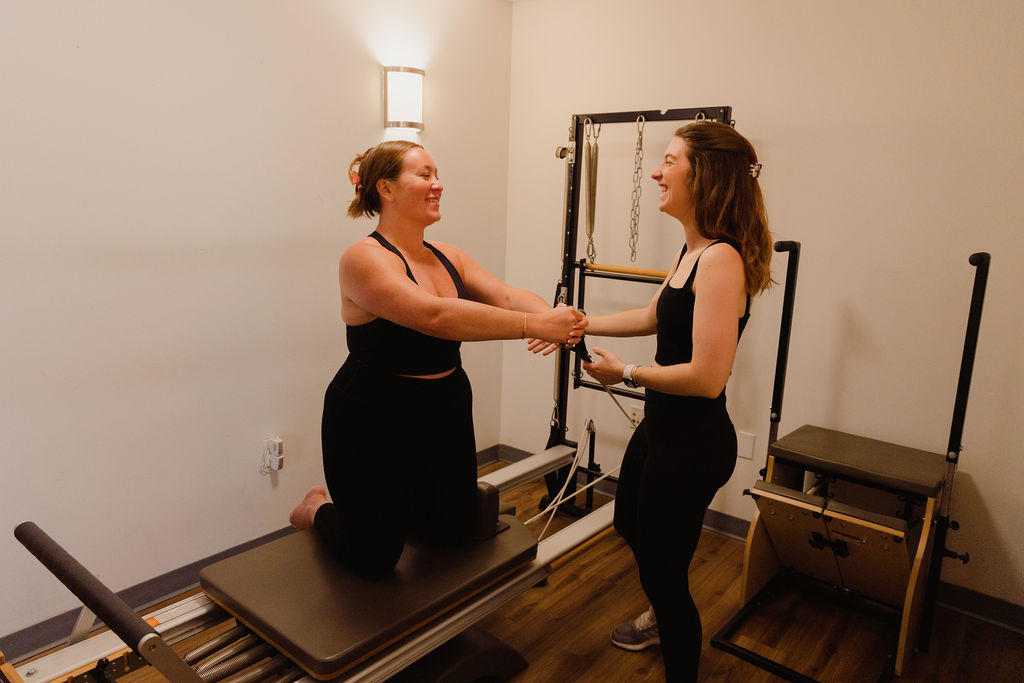
- Reformer pilates: Resistance-based exercises using a reformer machine (frame with sliding platform, springs, and pulleys)
Benefits of Pilates:
- Strengthens core muscles (abs, back, pelvic floor)
- Improves posture and alignment
- Increases flexibility and range of motion
- Builds lean muscle tone
- Enhances breath control and concentration
- Low-impact (gentle on joints)
- Adaptable for all fitness levels and ages
In typical pilates classes, nearly every movement activates your core, so expect sore abs! You’ll work both upper and lower body through controlled, small movements that target specific muscle groups.

Mat Pilates vs. Reformer Pilates: Key Differences
Mat Pilates
Equipment: Bodyweight-focused; minimal props (optional resistance ring or ball)
How it works: Sequential small movements targeting specific muscle areas through high repetitions
Best for:
- Beginners learning foundational pilates principles
- Building strength to support your own bodyweight
- Those preferring no-equipment workouts
- Advanced practitioners seeking challenging bodyweight variations
Benefits: Improves muscle tone, breath control, concentration, and body awareness
Reformer Pilates
Equipment: Reformer machine with adjustable spring resistance, sliding carriage, foot bar, and straps
How it works: Deeper, dynamic movements with machine support; focuses on quality over quantity
Best for:
- Those wanting higher-intensity pilates workouts
- People seeking resistance training variety
- Individuals with specific fitness goals requiring personalized coaching
- Advanced practitioners ready for equipment-based challenges
Benefits: Full-body, low-impact workout at higher intensity; builds strength and stability with machine assistance
Key difference: Mat pilates uses high reps with bodyweight; reformer pilates uses deeper movements with adjustable resistance.
What Pilates Options Does MINT Offer?
1. Mat Pilates Classes (5 Days Per Week)
Schedule: Offered five days weekly What to expect: Group classes balancing strength and flexibility, focusing on muscles surrounding joints You’ll improve:
- Core stability and strength
- Coordination and balance
- Breath control
- Body alignment
- Overall fitness
Included in: All MINT memberships (unlimited access)
2. Private Reformer Pilates Sessions
Instructor: Meg DiRuggiero, Advanced Master Pilates Trainer Format: One-on-one personalized sessions Experience level: All levels welcome (beginners to advanced) Customization: Workouts adapted to your specific body and fitness goals
Important: Private pilates sessions are interchangeable with personal training sessions if you have a MINT personal training package
Pricing: Available through personal training packages (purchased separately or added to membership)
3. TRX Pilates (Mondays at 5:30 PM)
What makes it unique: Combines mat pilates principles with TRX suspension training Format: Group class
Benefits:
- Develops functional strength
- Improves balance and coordination
- Enhances core stability
- Builds overall body control
Best for: Those wanting the structure of mat pilates with added resistance and challenge of suspension training
How to Get Started with Pilates at MINT
Step 1: Choose your membership
- All MINT memberships include unlimited mat and RTX pilates classes, cardio/strength equipment, all other studio classes, and small group training
Step 2: Add reformer sessions (optional)
- Purchase personal training packages separately or in addition to membership
- Private reformer sessions count toward personal training sessions
Step 3: Sign up for classes
- Download the MINT app
- Browse class schedule
- Book your spot in mat pilates or TRX pilates classes
- Schedule private reformer sessions directly
Frequently Asked Questions About Pilates at MINT
Q: Do I need pilates experience to start? A: No! Mat and TRX pilates classes and private reformer sessions accommodate all fitness levels, from complete beginners to advanced practitioners.
Q: What should I bring to class? A: Wear comfortable workout clothes. MINT provides mats for mat pilates classes. For reformer sessions, grip socks are recommended.
Q: How often should I do pilates? A: For optimal results, aim for 2-3 pilates sessions per week. MINT’s 5-day weekly mat class schedule makes consistency easy.
Q: Can pilates help with back pain? A: Pilates strengthens core muscles that support your spine and improves posture, which may help alleviate back pain. Consult your doctor before starting any new exercise program if you have existing injuries.
Q: What’s the difference between pilates and yoga? A: While both are mind-body practices, pilates focuses more on core strength and controlled movements, while yoga emphasizes flexibility, balance, and spiritual elements.
Join the MINT Pilates Community
Ready to experience the transformative benefits of pilates? Whether you prefer mat classes, private reformer training, or the unique TRX pilates fusion, MINT offers options for every fitness level and goal.
Have you tried pilates before? What type do you prefer—mat, reformer, or TRX? Share your experience with us and tag MINT in your post-workout selfies!
Start your pilates journey today. Download the MINT app to browse class schedules and book your first session.